AI Agents & Trademarks: How Tool-Calling Drafts Your Filings
Learn how AI agents use tool-calling to research, reason, and draft USPTO trademark applications, empowering founders with control.
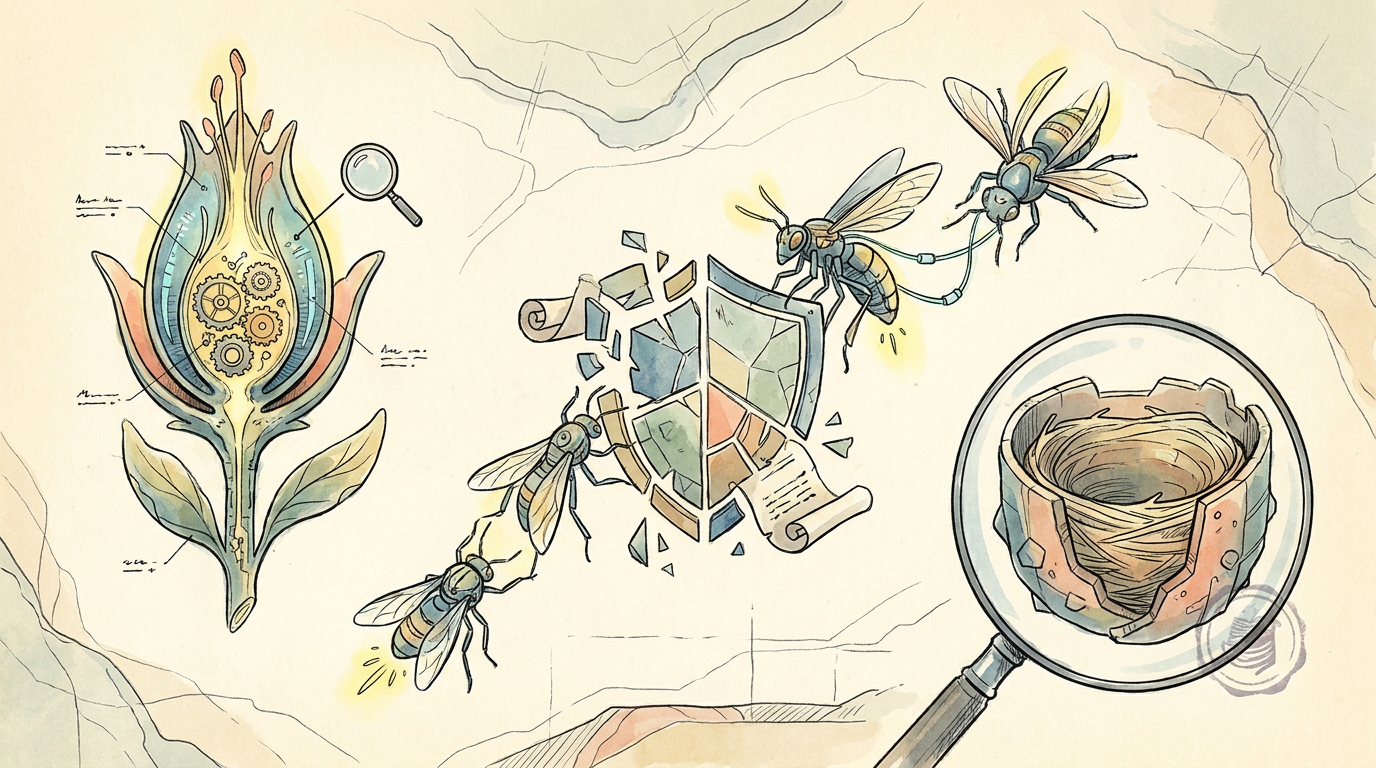
Building a brand means protecting it. For founders, that often involves navigating the complexities of trademark registration. AI agents are now transforming this process, helping with everything from name clearance to drafting USPTO filings. But how do these systems actually work behind the scenes?
The USPTO's Stance: AI is Allowed, Humans are Responsible
On April 11, 2024, the USPTO issued formal “Guidance on Use of Artificial Intelligence-Based Tools in Practice Before the USPTO.” This guidance confirmed that there is no prohibition on using AI tools to draft filings submitted to the USPTO, provided existing rules are followed. This is a crucial point: AI can assist, but human accountability remains paramount.
The USPTO guidance emphasizes that all filings must be signed by a natural person, not an AI tool. The human signer is fully responsible for the accuracy and truthfulness of the content, even if AI helped draft it. An AI system cannot obtain a USPTO.gov account or act as an authorized “user” for filing documents.
While there's no general obligation to disclose AI use, users have a standing duty to review filings and correct errors. AI increases the need for careful review due to risks like hallucinations—where AI invents information—confidentiality concerns, and potential bias.
Even the USPTO Uses AI Internally
The USPTO itself is actively integrating AI. On March 19, 2026, the agency announced its first-of-its-kind AI agent for trademark pre-processing: the Trademark Classification Agentic Codification Tool (“Class ACT”). This tool automatically assigns international classes (categories for goods and services), design search codes, and pseudo-marks to unclassified trademark applications, streamlining time-consuming steps.
In April 2026, the USPTO’s Trademark Center added AI assistance for mark descriptions and color claims. By July 1, 2026, the USPTO’s trademark wing fully adopted “Scout LLM,” an internal large language model. These internal tools show the USPTO is not anti-AI; rather, it embraces AI to enhance efficiency while maintaining human oversight.
Agentic AI and Tool-Calling: Beyond Simple Copilots
Think of a basic AI copilot as an assistant that helps you write. An AI agent goes further. It’s an autonomous system capable of planning, executing, and verifying multi-step workflows with minimal human intervention. This shift, from copilots (2023–2024) to agents (2025), is significant in legal tech.
Agentic AI in legal services works by decomposing complex tasks—like preparing a trademark application—into smaller, manageable steps: intake, research, drafting, and review. It then orchestrates external tools, such as search engines and databases, to complete each step. This process is often called “tool-calling.”
How a Tool-Calling AI Agent Works for Your Trademark
Let’s break down how an AI agent, like the one powering MarkDocket, handles a trademark filing from start to finish.
Research Phase: Clearing Your Name Across Multiple Sources
The first step for any new trademark is thorough research to ensure the name is available and won't conflict with existing marks. An AI agent excels here by calling multiple external data sources in sequence. This includes:
- USPTO's TESS / Trademark Center database: For U.S. federal marks.
- State trademark databases: For marks registered at the state level.
- Company registries: Such as Secretary of State listings.
- Common-law sources: Domain names, app stores, social media handles, and business directories. MarkDocket, for example, searches across twelve sources to clear a name.
The agent takes your proposed brand name and a description of your goods or services. It then systematically queries each search tool, parses the results, and flags potential conflicts—marks that are identical or similar, especially if they are in related international classes. This structured output allows the agent to reason over similarity and risk effectively.
Reasoning Phase: Deciding What and How to File
Once the research is complete, the agent moves into a reasoning phase, planning the optimal filing strategy. This involves several key decisions:
- Nice Classes: The agent maps your goods and services to the appropriate Nice classes, which are international classifications for goods and services used in trademark registration. Correct classification is vital for the scope of your protection.
- Mark Type: It suggests whether to file a word mark (text only), a design mark (logo), or both, based on your brand assets.
- Specimen Requirements: The agent checks for specimen requirements—examples of how you use your mark in commerce—and identifies whether your application should be filed as a “use-in-commerce” (if you're already using the mark) or “intent-to-use” (if you plan to use it soon) application.
The USPTO’s Class ACT tool demonstrates this reasoning internally, assigning classes and design codes. On your side, an agent applies similar logic, factoring in potential risks and flagging borderline issues for your review to avoid overconfident recommendations that could lead to refusals.
Drafting Phase: Constructing Your Application
With the research and reasoning complete, the agent drafts the actual trademark application. This is where the USPTO’s guidance explicitly permits AI assistance. The agent generates the necessary text for each section of the application, ensuring it meets USPTO formatting and content requirements.
This includes drafting detailed descriptions of goods and services, preparing the application form, and even generating responses to office actions—official letters from the USPTO examiner requesting more information or raising issues. The goal is a filing-ready application that you can review and submit.
The Indispensable Human Element: Review and Responsibility
Despite the sophistication of AI agents, the human element remains non-negotiable. As the USPTO's guidance makes clear, you, the founder, are ultimately responsible for your application. This means:
- Thorough Review: You must meticulously review every field, every description, and every claim generated by the AI agent. This is your brand, and your signature is its legal affirmation.
- Verification: Always verify the information. AI hallucinations are a real risk. In fact, on August 28, 2026, IPWatchdog reported on the USPTO's first AI-predicated discipline order involving hallucinated citations in a legal filing [https://ipwatchdog.com/2026/08/28/uspto-issues-its-first-ai-predicated-discipline-order-involving-hallucinated-cites-to-intrinsic-record/]. This underscores the critical need for human oversight.
- Signature: Your signature on the filing is a legal attestation to its accuracy and truthfulness.
AI agents are powerful tools that can streamline the trademark process, making it more accessible and efficient for founders. By understanding their tool-calling workflow and embracing your role in the final review, you can leverage these innovations to protect your brand effectively and confidently.