Agentic AI: How Tool-Calling Systems Handle Your IP Filings
Legal AI is evolving from simple drafting to full workflow execution. Discover how agentic, tool-calling systems handle research, reasoning, and drafting for your IP.
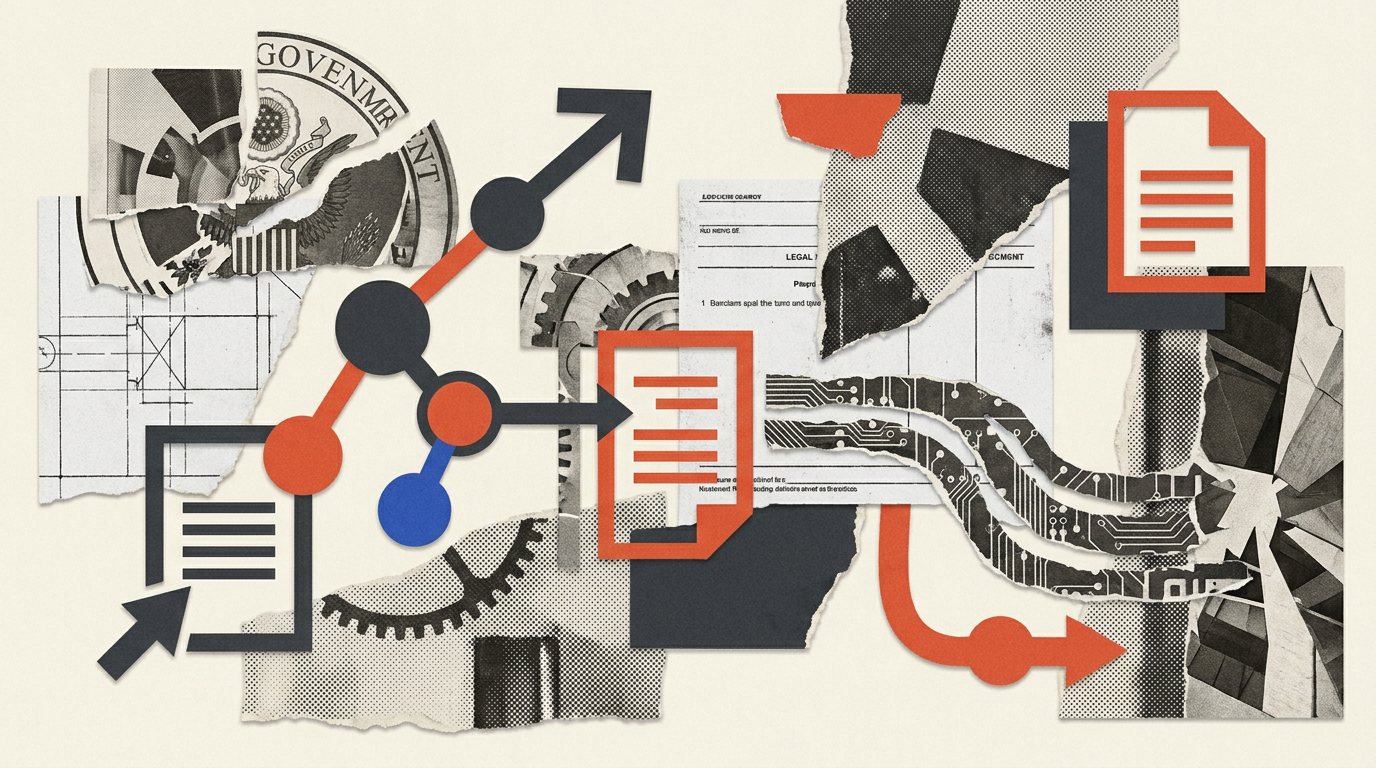
The landscape of legal technology is rapidly changing. We're seeing a fundamental shift from AI tools that assist with single tasks to agentic systems that can chain multiple steps together. These systems don't just draft text; they can research, retrieve documents, classify issues, and trigger follow-up actions across an entire workflow.
This evolution means AI is moving from being a helpful assistant to executing significant parts of the legal process. A 2026 overview noted that legal agents are designed to "read emails, sort a high volume of client inquiries, update files, draft documents, and trigger follow-up actions" within a legal tech stack. Thomson Reuters described its new CoCounsel Legal as a "fully agentic AI experience" that moves legal professionals "from research and issue analysis to trusted work product within a single workflow." This points to a future where AI handles more of the heavy lifting in IP management.
The Rise of Tool-Calling Agents
What makes an AI system "agentic" and "tool-calling"? It means the AI isn't just generating text based on a prompt. Instead, it can identify a task, decide which specific tools or external systems it needs to use to accomplish that task, execute those tools, interpret the results, and then use that information to take the next step. This allows for complex, multi-stage operations that mimic human reasoning and workflow.
For example, an agent might decide it needs to query a database, then use a classification tool, then draft a document, and finally, update a tracking system – all autonomously based on its understanding of the overall goal.
Agentic AI in Action: The USPTO and Beyond
We're already seeing concrete examples of agentic AI impacting intellectual property workflows.
On March 19, 2026, the USPTO announced its own AI agent: the Trademark Classification Agentic Codification Tool (Class ACT). This tool is designed to pre-process trademark applications. It can immediately assign international classes (codes that categorize goods and services for trademark purposes), design search codes (used to classify design elements in logos), and pseudo marks (alternative spellings or phonetic equivalents of a mark) to unclassified applications. The USPTO claims Class ACT can reduce classification preparation time from five months to as little as five minutes or even five seconds.
Commercial legal tech providers are also embracing this agentic shift. On August 20, 2026, Thomson Reuters launched the next generation of CoCounsel Legal, featuring a Drafting Agent in Word. This agent can draft, edit, and review agreements using natural language instructions, leveraging both Practical Law content and an organization's internal documents.
These systems are handling significant volumes of work. In Q1 2026, AI agents built by Harvey AI and CoCounsel processed more than 10 million legal documents across contracts, filings, discovery, and patent applications.
How Agents Streamline Trademark Workflows
For founders navigating trademark protection, agentic AI offers a new level of efficiency. These systems are being built to handle the entire lifecycle of IP work, from initial search to ongoing portfolio management.
An agentic system can:
- Clear Names: Search across multiple sources to assess the availability of a name or logo, much like a lawyer would conduct a clearance search.
- Draft Applications: Generate filing-ready USPTO trademark applications by integrating classification, design codes, and other necessary details.
- Respond to Office Actions: Prepare responses to office actions, which are official communications from the USPTO examiner regarding issues with an application. For instance, a nonfinal office action requires a response within three months of its issue date to avoid abandonment (meaning the application is no longer pursued).
- Monitor Portfolios and Deadlines: Track the status of applications and registered marks, sending alerts for critical deadlines. This docketing function is crucial for avoiding costly mistakes like missing a response deadline.
The USPTO's Class ACT announcement directly targets the bottleneck of classification, design codes, and pseudo marks before substantive examination. However, it's important to remember that Class ACT handles pre-processing, not the entire filing lifecycle. Trademark applications can still face issues related to descriptiveness, specimen requirements, or owner/entity mismatches. This means a comprehensive agent needs to support review-before-filing and post-filing office action response drafting.
The Human-in-the-Loop Advantage
While AI agents are becoming incredibly capable, the current public positioning for these tools emphasizes a human-in-the-loop approach. This means the AI researches, organizes, drafts, and routes work for human review, rather than practicing law autonomously. Thomson Reuters describes CoCounsel as helping move from research to work product within one workflow, and the USPTO's Class ACT handles pre-processing tasks, not final legal judgment.
For founders, this translates to significant efficiency gains while maintaining oversight. You get the benefit of rapid, automated processing for tasks like classification and initial drafting, combined with the assurance of human review for legal accuracy and strategic decisions. For complex legal questions or when navigating specific challenges, consulting with a qualified attorney remains essential.
What This Means for Your Startup
Agentic AI tools are designed to replace repeated, time-consuming tasks: searching, classifying, drafting, and tracking deadlines. This can significantly reduce the operational burden and costs associated with protecting your brand. The efficiency gains are clear, with narrow pre-processing tasks now measured in minutes rather than months.
By leveraging these purpose-built agents, you can ensure your IP strategy is robust and your filings are timely, allowing you to focus on building your business rather than getting bogged down in legal minutiae. The future of IP protection is here, and it's increasingly intelligent and automated, but always with a critical role for human expertise.